Wednesday, August 4, 2021

Awasome Does Aetna Ppo Cover Dentist 2023

Does aetna ppo cover dental implants Dental News Network
Does aetna ppo cover dental implants Dental News Network from sandiegoinvisaligndentist.org

Are you wondering if Aetna PPO covers dentist services? You're not alone. Many people have questions about their dental coverage and what it includes. In this article, we'll explore the topic of Aetna PPO coverage for dental services and provide you with all the information you need to know.

Pain Points of Aetna PPO Dental Coverage

When it comes to dental coverage, one of the main pain points for individuals is understanding what services are covered and which ones are not. Many people are unsure if their Aetna PPO plan includes dental benefits or if they need to purchase a separate dental insurance policy. This lack of clarity can cause stress and confusion, leading individuals to delay necessary dental treatments.

What Does Aetna PPO Cover for Dentist?

The good news is that Aetna PPO plans do offer dental coverage. Depending on your specific plan, it may cover a range of dental services, including preventive care, such as cleanings and check-ups, as well as restorative treatments like fillings, crowns, and root canals. Some plans may also provide coverage for orthodontic treatment, such as braces or Invisalign.

Summary of Aetna PPO Dental Coverage

In summary, Aetna PPO plans do cover dental services, including preventive care, restorative treatments, and potentially orthodontic treatment. However, it's important to review the details of your specific plan to understand the extent of your coverage and any limitations or exclusions that may apply.

Personal Experience with Aetna PPO Dental Coverage

As a dental patient with an Aetna PPO plan, I have found the coverage to be comprehensive and beneficial. I have been able to receive regular dental cleanings and check-ups without any out-of-pocket expenses. In addition, when I needed a filling, Aetna PPO covered a significant portion of the cost, making it more affordable for me. Overall, I have been satisfied with the dental coverage provided by Aetna PPO.

When it comes to dental coverage, Aetna PPO is known for its extensive network of dentists, allowing members to choose from a wide range of providers. This means that you are likely to find a dentist near you who accepts Aetna PPO insurance, making it convenient to access the dental care you need.

Dental coverage under Aetna PPO plans typically works on a fee-for-service basis. This means that you will pay a percentage of the cost for each dental service, while Aetna PPO covers the remaining balance. The exact percentage you are responsible for will depend on your specific plan and the type of service you receive.

To ensure that your dental treatment is covered by Aetna PPO, it's important to verify the coverage with your dentist before proceeding with any procedures. Your dentist can help you understand the estimated costs and any out-of-pocket expenses you may incur.

History and Myth of Aetna PPO Dental Coverage

Over the years, there have been various myths and misconceptions about Aetna PPO dental coverage. One common myth is that dental coverage is not included in Aetna PPO plans. However, this is not true. Aetna PPO plans do offer dental coverage, although the specifics may vary depending on the plan and the state in which you reside.

Another myth is that dental coverage is only available through separate dental insurance plans. While it is true that standalone dental insurance plans exist, Aetna PPO plans often include dental benefits as part of their overall coverage. This means that you may not need to purchase a separate dental insurance policy if you have an Aetna PPO plan.

It's important to debunk these myths and ensure that individuals have accurate information about their dental coverage under Aetna PPO plans. By understanding the facts, individuals can make informed decisions about their dental care and take advantage of the benefits available to them.

Hidden Secret of Aetna PPO Dental Coverage

A hidden secret of Aetna PPO dental coverage is the potential for cost savings. By utilizing in-network dentists, members can take advantage of negotiated rates, which can result in lower out-of-pocket expenses. In addition, Aetna PPO plans often have annual maximums, which cap the amount you will pay for dental services in a given year. This can provide peace of mind and financial protection.

Another hidden secret is the availability of additional dental discounts through Aetna PPO. Some plans offer discounts on cosmetic dentistry procedures, such as teeth whitening or veneers. These discounts can make these elective treatments more affordable and accessible to individuals who desire to enhance their smile.

Recommendation for Aetna PPO Dental Coverage

If you are considering Aetna PPO for your dental coverage, it is recommended to carefully review the details of the available plans. Compare the coverage options, including the types of services covered, the percentage of coverage provided, and any limitations or exclusions. Consider your individual dental needs and budget to select a plan that best meets your requirements.

When selecting a dentist, it is recommended to choose an in-network provider whenever possible. In-network dentists have agreed to accept negotiated rates from Aetna PPO, resulting in potential cost savings for you. You can easily find in-network dentists in your area by using the Aetna provider directory or contacting Aetna customer service.

Exploring Aetna PPO Dental Coverage and Related Keywords

Now, let's dive deeper into the topic of Aetna PPO dental coverage and explore some related keywords. Understanding these keywords can help you navigate the world of dental insurance and make informed decisions about your coverage.

Aetna PPO Dental Insurance: This refers to dental insurance plans offered by Aetna PPO. These plans typically include coverage for preventive care, restorative treatments, and potentially orthodontic treatment.

Aetna PPO Dental Network: This refers to the network of dentists and dental providers who have agreed to accept Aetna PPO insurance. By choosing an in-network dentist, you can maximize your coverage and potentially save on out-of-pocket expenses.

Aetna PPO Dental Fee Schedule: This refers to the predetermined fees that Aetna PPO will pay for each dental service. Dentists who participate in the Aetna PPO network agree to these fees, which can result in cost savings for members.

Aetna PPO Dental Claim: This refers to the process of submitting a claim for reimbursement of dental services. After receiving dental treatment, you or your dentist will submit a claim to Aetna PPO for payment. Aetna PPO will review the claim and determine the amount of coverage provided.

Tips for Utilizing Aetna PPO Dental Coverage

Here are some tips to help you make the most of your Aetna PPO dental coverage:

  1. Review your plan details: Carefully read through the specifics of your Aetna PPO plan to understand the coverage provided and any limitations or exclusions.
  2. Choose an in-network provider: Whenever possible, select a dentist who is in-network with Aetna PPO to maximize your coverage and potentially save on out-of-pocket expenses.
  3. Verify coverage before treatment: Before proceeding with any dental procedures, confirm with your dentist that the services are covered by Aetna PPO. This will help you avoid unexpected expenses.
  4. Utilize preventive care benefits: Take advantage of the preventive care benefits included in your Aetna PPO plan, such as regular cleanings and check-ups. These services can help maintain your oral health and prevent more extensive and costly treatments in the future.
  5. Understand your financial responsibility: Familiarize yourself with the percentage of coverage provided by your Aetna PPO plan and the potential out-of-pocket expenses you may incur. This will help you budget for dental treatments and make informed decisions about your care.

Conclusion of Aetna PPO Dental Coverage

In conclusion, Aetna PPO does cover dentist services, including preventive care, restorative treatments, and potentially orthodontic treatment. By understanding the details of your specific plan and utilizing in-network providers, you can maximize your coverage and potentially save on out-of-pocket expenses. Take advantage of the benefits offered by Aetna PPO and prioritize your oral health for a brighter smile.

Famous Do You Need To Get A Nightguard From Your Dentist 2023

Night Guards Cottage Dental Care
Night Guards Cottage Dental Care from cottagedentalcare.com

Are you tired of waking up with jaw pain and headaches? Do you find yourself grinding your teeth at night? If so, you may be wondering if you need to get a nightguard from your dentist. In this article, we will explore the benefits of using a nightguard and why it may be a worthwhile investment for your oral health.

Many people suffer from teeth grinding, also known as bruxism, without even realizing it. This can lead to a variety of issues, including worn-down teeth, jaw pain, headaches, and even tooth loss. If you are experiencing any of these symptoms, it may be time to consider getting a nightguard.

What is a nightguard?

A nightguard is a dental appliance that is worn while you sleep to protect your teeth and jaw from the harmful effects of teeth grinding. It is custom-made to fit your mouth and provides a cushioning barrier between your upper and lower teeth. This helps to prevent the enamel from wearing down and reduces the strain on your jaw muscles.

The history and myth of nightguards

Nightguards have been used for decades to treat bruxism and its associated symptoms. However, there are some misconceptions about their effectiveness. Some people believe that wearing a nightguard will worsen their teeth grinding or that it is only necessary for those with severe bruxism. In reality, nightguards are beneficial for anyone who grinds their teeth, regardless of the severity.

The hidden secret of nightguards

One of the hidden secrets of nightguards is their ability to improve sleep quality. Teeth grinding can often disrupt sleep patterns, leading to restless nights and fatigue during the day. By wearing a nightguard, you can reduce the grinding and clenching of your teeth, allowing for a more peaceful night's sleep.

Recommendation for nightguards

If you are experiencing any symptoms of bruxism or suspect that you may be grinding your teeth at night, it is recommended to schedule an appointment with your dentist. They can assess your oral health and determine if a nightguard is necessary. Your dentist will take impressions of your teeth to create a custom-fit nightguard that is comfortable to wear and provides maximum protection.

How do you get a nightguard from your dentist?

To get a nightguard from your dentist, you will need to schedule an appointment for an evaluation. During this visit, your dentist will examine your teeth and jaw to determine the severity of your bruxism and if a nightguard is necessary. If a nightguard is recommended, impressions of your teeth will be taken and sent to a dental laboratory for fabrication. Once the nightguard is ready, you will return to your dentist's office for a fitting and instructions on how to properly wear and care for the nightguard.

Conclusion of nightguards

In conclusion, if you are experiencing symptoms of bruxism such as jaw pain, headaches, or worn-down teeth, it may be time to consider getting a nightguard from your dentist. Nightguards can provide protection for your teeth and jaw, improve sleep quality, and prevent further damage caused by teeth grinding. Schedule an appointment with your dentist to discuss your symptoms and determine if a nightguard is right for you.

Question and Answer

Q: Can I buy a nightguard over-the-counter instead of getting one from my dentist?

A: While there are over-the-counter nightguards available, they are not custom-fit to your mouth and may not provide the same level of protection and comfort as a dentist-made nightguard.

Q: How long do nightguards typically last?

A: Nightguards can last anywhere from 1-5 years, depending on the quality of the material and how well they are cared for. It is important to follow your dentist's instructions for cleaning and storing your nightguard to prolong its lifespan.

Q: Can children wear nightguards?

A: Yes, children can wear nightguards if they are experiencing symptoms of bruxism. However, it is important to consult with a dentist to determine the best course of action for your child's specific needs.

Q: Are there any side effects of wearing a nightguard?

A: Some individuals may experience temporary discomfort or difficulty speaking when first wearing a nightguard. However, these side effects typically subside within a few days as the mouth adjusts to the appliance.

Conclusion of do you need to get a nightguard from your dentist

Getting a nightguard from your dentist can provide numerous benefits, including protecting your teeth and jaw from the harmful effects of teeth grinding, improving sleep quality, and preventing further damage. If you are experiencing symptoms of bruxism, it is recommended to schedule an appointment with your dentist to discuss your options and determine if a nightguard is right for you.

Tuesday, August 3, 2021

Review Of Does Dentist Break Your Fast Ideas

Why Regular Dental Cleaning and Checkups are Important for Your Family
Why Regular Dental Cleaning and Checkups are Important for Your Family from www.vuassistance.com

Are you a devout faster who is concerned about whether visiting the dentist will break your fast? If so, you're not alone. Many people who practice intermittent fasting or religious fasting have questions about how dental procedures might affect their fasting routine. In this article, we will explore the topic of whether or not dentist appointments break your fast and provide you with all the information you need to make an informed decision.

The Pain Points of Does Dentist Break Your Fast

When it comes to fasting, the primary concern is usually centered around consuming anything that could potentially break the fast. This includes food, beverages, and even certain medications. People who fast may worry that dental procedures, such as cleanings or fillings, could inadvertently disrupt their fast and hinder their progress. Additionally, the fear of experiencing discomfort or pain during dental work can also be a concern for those practicing fasting.

Does Dentist Break Your Fast?

The answer to this question depends on the type of dental procedure you are undergoing. In most cases, routine dental cleanings and check-ups do not involve consuming any food or drink that would break your fast. However, certain procedures that require anesthesia or involve the use of numbing agents may include the administration of medication or the use of local anesthesia, which can contain glucose or other substances that could break a fast.

It's important to discuss your fasting routine with your dentist before any procedures to ensure that they are aware of your concerns and can make appropriate accommodations. They may be able to offer alternative options or modify the treatment plan to align with your fasting goals.

Summary of Does Dentist Break Your Fast

In summary, routine dental cleanings and check-ups typically do not break your fast. However, certain procedures that involve anesthesia or the use of numbing agents may contain substances that could potentially disrupt your fasting routine. It is crucial to communicate with your dentist about your fasting goals and discuss any concerns or modifications that may be necessary.

Does Dentist Break Your Fast: Personal Experience and Explanation

When I was practicing intermittent fasting, I had scheduled a dental cleaning appointment. I was initially concerned about whether the cleaning process would break my fast. However, after discussing my fasting routine with my dentist, they assured me that the cleaning did not involve consuming any food or drink that would disrupt my fast.

During the cleaning, my dentist used a combination of manual tools and ultrasonic devices to remove plaque and tartar from my teeth. Throughout the procedure, I did not consume any food or drink, and the cleaning process was completed without any issues. I was able to continue my fasting routine without any interruptions.

It is essential to remember that every dental procedure is unique, and it is crucial to communicate with your dentist about your fasting goals. They can provide you with the necessary information and make any modifications needed to align with your fasting routine.

What is Does Dentist Break Your Fast?

Does dentist break your fast is a question that arises when individuals who practice intermittent fasting or religious fasting are concerned about whether dental procedures will disrupt their fasting routine. It refers to the potential impact of dental procedures on the fasting process and the consumption of substances during these procedures that could break a fast.

Dental procedures can range from routine cleanings and check-ups to more invasive treatments such as fillings or extractions. Understanding the potential impact of these procedures on fasting is essential for individuals who are committed to their fasting routine.

History and Myth of Does Dentist Break Your Fast

There is no specific historical background or myth surrounding whether dentist appointments break your fast. The concern arises from the potential consumption of substances during dental procedures that could potentially disrupt the fasting process.

However, it is essential to note that fasting practices have been a part of various cultures and religions for centuries. These fasting practices often have specific guidelines and rules regarding what can and cannot be consumed during the fasting period. Consulting with religious or cultural leaders can provide additional insights into specific fasting practices and guidance on dental procedures during fasting periods.

Hidden Secret of Does Dentist Break Your Fast

The hidden secret of whether dentist appointments break your fast lies in effective communication with your dentist. By discussing your fasting goals and concerns with your dentist, they can provide you with the necessary information and make any modifications needed to align with your fasting routine.

Many dentists are familiar with fasting practices and can offer alternative options or adjust treatment plans to accommodate your fasting goals. Open and honest communication is key to ensuring that your dental procedures do not disrupt your fasting routine.

Recommendation of Does Dentist Break Your Fast

Based on the information provided, it is recommended to communicate with your dentist about your fasting routine and goals. By discussing your concerns and expectations, your dentist can provide you with the necessary information and make any modifications needed to align with your fasting routine.

It is also essential to do your own research and consult with religious or cultural leaders if you have specific fasting guidelines to follow. By combining the knowledge and guidance of your dentist and religious or cultural leaders, you can ensure that your dental procedures do not disrupt your fasting routine.

Does Dentist Break Your Fast and Related Keywords: Explained

Does dentist break your fast and related keywords refer to the potential impact of dental procedures on fasting and the consumption of substances during these procedures that could break a fast. Keywords related to this topic may include fasting, dentist appointments, dental procedures, fasting goals, and fasting guidelines.

Understanding the implications and considerations related to these keywords is crucial for individuals who are committed to their fasting routine and want to ensure that dental procedures do not disrupt their fasting progress.

Tips for Does Dentist Break Your Fast

Here are some tips to consider when it comes to dentist appointments and fasting:

  1. Communicate with your dentist: Discuss your fasting routine and goals with your dentist before any procedures to ensure that they are aware of your concerns and can make appropriate accommodations.
  2. Ask about alternative options: In certain cases, your dentist may be able to offer alternative treatment options or modify the treatment plan to align with your fasting goals.
  3. Research your fasting guidelines: If you have specific fasting guidelines to follow based on your religion or culture, do your own research and consult with religious or cultural leaders for additional guidance.
  4. Stay hydrated: Regardless of fasting, it is essential to stay hydrated. Drink plenty of water before and after dental procedures to maintain your overall oral health.

By following these tips, you can navigate dentist appointments while sticking to your fasting routine.

Q&A About Does Dentist Break Your Fast

Q: Can routine dental cleanings break my fast?

A: In most cases, routine dental cleanings do not involve consuming any food or drink that would break your fast. However, it is essential to discuss your fasting routine with your dentist to ensure that they are aware of your concerns.

Q: What should I do if I have a dental emergency while fasting?

A: If you have a dental emergency while fasting, it is crucial to prioritize your oral health. Seek immediate dental care and communicate with your dentist about your fasting goals. They can provide guidance and make any necessary accommodations.

Q: Can I take pain medication after a dental procedure while fasting?

A: It depends on the specific pain medication and your fasting goals. Some pain medications may contain substances that break a fast, while others may be suitable for fasting. Consult with your dentist or healthcare provider for guidance on pain management while fasting.

Q: Can dental procedures affect my blood sugar levels while fasting?

A: Certain dental procedures, such as those that involve the use of local anesthesia or numbing agents, may contain substances that can affect blood sugar levels. If you have specific concerns about your blood sugar levels while fasting, discuss them with your dentist and healthcare provider.

Conclusion of Does Dentist Break Your Fast

In conclusion, routine dental cleanings and check-ups typically do not break your fast. However, certain dental procedures may involve the administration of substances that could disrupt your fasting routine. It is crucial to communicate with your dentist about your fasting goals and concerns to ensure that they can make appropriate accommodations. By maintaining open and honest communication, you can navigate dental procedures while sticking to your fasting routine.

The Best What Does It Mean To Be A Dentist Ideas

Your Fear of the Dentist Can Be Lifetime Dental Health
Your Fear of the Dentist Can Be Lifetime Dental Health from lifetimedentalcolumbus.com

Have you ever wondered what it truly means to be a dentist? The world of dentistry is often shrouded in mystery and misconceptions, but behind the white coat and dental chair lies a profession that is dedicated to improving oral health and transforming smiles. In this article, we will explore the ins and outs of what it means to be a dentist and shed light on the fascinating world of dental care.

For many people, visiting the dentist can be a source of anxiety and fear. The thought of drills, needles, and the possibility of pain can make even the bravest souls hesitant to schedule an appointment. As a dentist, one of the challenges is to ease these fears and create a comfortable environment for patients. This requires not only technical skills but also empathy and the ability to communicate effectively. Dentists must understand the pain points of their patients and work to alleviate them, ensuring a positive experience for every individual who walks through their doors.

Being a dentist means being a healthcare professional who specializes in the prevention, diagnosis, and treatment of conditions affecting the teeth and oral cavity. Dentists are responsible for maintaining the oral health of their patients, which includes performing regular check-ups, cleaning teeth, filling cavities, and treating gum diseases. They may also provide cosmetic procedures such as teeth whitening and dental implants to enhance the appearance of their patients' smiles.

In summary, being a dentist is about more than just fixing teeth. It is about caring for patients' oral health, alleviating their fears, and helping them achieve confident smiles. Dentists play a vital role in the overall well-being of individuals and contribute to their quality of life.

What Does It Mean to Be a Dentist: A Personal Experience

As a dentist, every day brings new challenges and rewards. One of the most memorable experiences I had was with a patient who came to me with severe dental anxiety. She had not visited a dentist in years due to a traumatic experience in her childhood. I took the time to listen to her fears and concerns, and together, we developed a treatment plan that focused on her comfort and trust. Through gentle techniques and open communication, we were able to complete her treatment successfully, and she left my office with a newfound confidence in dental care.

Being a dentist means being a problem solver. It means using my knowledge and skills to diagnose and treat dental issues, but it also means being a compassionate listener and a source of support for my patients. Every day, I am reminded of the impact that oral health has on a person's overall well-being, and it is a privilege to be able to make a difference in their lives.

The History and Myth of Dentistry

The history of dentistry dates back thousands of years, with evidence of dental practices found in ancient civilizations such as Egypt and Mesopotamia. In those times, dental care was often performed by individuals who had no formal training, using crude tools and techniques. However, as civilization progressed, so did the field of dentistry.

One of the earliest documented dentists was an Egyptian named Hesi-Re. He lived around 2600 BCE and was known as the "Chief of the Toothers" in the court of Pharaoh Djoser. Hesi-Re's role was to treat dental problems and maintain the oral health of the royal family.

Throughout history, dentistry has been intertwined with myths and folklore. One famous myth is the story of the tooth fairy, who is said to collect children's lost teeth and leave behind a small reward. This myth is believed to have originated from the Norse tradition of the tand-fé, where children would offer their lost teeth to the gods in exchange for good fortune.

Today, dentistry has evolved into a highly specialized field with advanced technologies and techniques. Dentists undergo years of rigorous education and training to provide the best possible care for their patients.

The Hidden Secrets of Dentistry

Behind the scenes, there are hidden secrets of dentistry that many people may not be aware of. One of these secrets is the use of dental technology to enhance treatment outcomes. From digital X-rays and 3D imaging to laser dentistry and CAD/CAM technology, dentists have access to a wide range of tools that allow for more precise, efficient, and comfortable treatments.

Another secret of dentistry is the importance of preventive care. While many people associate dentists with treating dental problems, the truth is that prevention is the key to maintaining optimal oral health. Regular dental check-ups, professional cleanings, and good oral hygiene practices can help prevent the development of more serious dental issues down the line.

Furthermore, dentistry is not just about teeth. Dentists also play a crucial role in identifying and diagnosing systemic diseases that may manifest in the mouth. Conditions such as oral cancer, diabetes, and cardiovascular disease can often be detected and monitored by a dentist during routine check-ups.

Recommendations for Aspiring Dentists

If you are considering a career in dentistry, there are a few recommendations to keep in mind. First and foremost, a strong foundation in science and math is essential. Dentistry is a science-based profession, and a solid understanding of biology, chemistry, and physics will be beneficial throughout your education and career.

Secondly, gaining practical experience through shadowing or volunteering at a dental office can provide valuable insights into the profession. It will allow you to observe the day-to-day responsibilities of a dentist and interact with patients and dental staff.

Lastly, maintaining a lifelong commitment to learning is crucial in dentistry. The field is constantly evolving, with new technologies and techniques being introduced. Continuing education courses and staying up-to-date with the latest research and advancements will ensure that you provide the best possible care for your patients.

Exploring the Field of Dentistry

Within the field of dentistry, there are various specialties that dentists can pursue. These specialties include orthodontics, periodontics, endodontics, oral and maxillofacial surgery, and pediatric dentistry, among others. Each specialty requires additional education and training beyond dental school and allows dentists to focus on specific areas of oral health.

Orthodontics, for example, is the branch of dentistry that focuses on correcting misaligned teeth and jaws. Orthodontists use braces, aligners, and other appliances to achieve straighter smiles and improve the function of the bite.

Periodontics specializes in the prevention, diagnosis, and treatment of gum diseases. Periodontists are experts in the care of the gums and surrounding tissues, and they often perform procedures such as gum grafting and dental implant placement.

Endodontics deals with the diagnosis and treatment of diseases and injuries to the dental pulp and roots of teeth. Endodontists perform root canal therapy to save teeth that would otherwise need to be extracted.

Oral and maxillofacial surgery is a surgical specialty that focuses on treating conditions of the mouth, jaws, face, and neck. Oral surgeons may perform complex procedures such as wisdom tooth extraction, jaw realignment, and facial reconstructive surgery.

Pediatric dentistry is the branch of dentistry that specializes in the oral health of children. Pediatric dentists are trained to provide comprehensive dental care to infants, children, and adolescents, including preventive care, restorative treatments, and behavior management techniques.

Tips for Maintaining Good Oral Health

While dentists are responsible for the oral health of their patients, individuals also play a crucial role in maintaining their own oral hygiene. Here are some tips for maintaining good oral health:

  1. Brush your teeth at least twice a day with a fluoride toothpaste.
  2. Floss daily to remove plaque and food particles from between your teeth.
  3. Limit sugary and acidic foods and drinks, as they can contribute to tooth decay.
  4. Visit your dentist regularly for check-ups and professional cleanings.
  5. Consider using mouthwash as an additional step in your oral hygiene routine.
  6. Wear a mouthguard when participating in sports or other activities that may pose a risk of dental injury.

Question and Answer

Q: How long does it take to become a dentist?

A: Becoming a dentist typically requires a minimum of eight years of education, including four years of undergraduate study and four years of dental school.

Q: Is dentistry a good career choice?

A: Dentistry can be a rewarding and fulfilling career choice for those who are passionate about oral health and helping others. It offers a good work-life balance, competitive salaries, and opportunities for professional growth.

Q: What skills are important for a dentist?

A: In addition to technical skills, dentists should possess good communication skills, attention to detail, manual dexterity, and the ability to empathize with patients.

Q: How often should I visit the dentist?

A: It is generally recommended to visit the dentist every six months for a routine check-up and cleaning. However, the frequency may vary depending on individual needs and oral health conditions.

Conclusion of What Does It Mean to Be a Dentist

Being a dentist goes beyond fixing teeth and creating beautiful smiles. It is about caring for patients' oral health, alleviating their fears, and improving their overall well-being. Dentistry is a profession that requires not only technical skills but also empathy, communication

Monday, August 2, 2021

Cool What Do Dentist Put On Teeth To Prevent Cavities 2023

How sealants are placed
How sealants are placed from www.pinterest.com

Are you tired of dealing with cavities and tooth decay? Do you want to know what dentists do to prevent cavities? In this article, we will explore the different methods and techniques that dentists use to keep your teeth healthy and cavity-free.

Dealing with cavities and tooth decay can be a painful and frustrating experience. Not only can it cause discomfort, but it can also lead to more serious dental issues if left untreated. Many people struggle with maintaining good oral hygiene and are unsure of what they can do to prevent cavities. This is where dentists come in.

Dentists have a variety of tools and techniques at their disposal to help prevent cavities. One of the most common methods is the use of dental sealants. These are thin plastic coatings that are applied to the surfaces of the teeth, primarily the back molars. The sealant acts as a barrier, protecting the teeth from decay-causing bacteria and acids.

In addition to dental sealants, dentists also use fluoride treatments to prevent cavities. Fluoride is a naturally occurring mineral that helps to strengthen the enamel of the teeth, making them more resistant to decay. Dentists can apply fluoride treatments in the form of a gel, foam, or varnish.

My Personal Experience with Dental Sealants and Fluoride Treatments

When I was younger, I had a lot of issues with cavities. My dentist recommended that I get dental sealants applied to my back molars to help prevent future cavities. I also received fluoride treatments during my regular dental cleanings. Since then, I have noticed a significant improvement in the health of my teeth. I no longer have to deal with painful cavities and my overall oral health has improved.

What are Dental Sealants and Fluoride Treatments?

Dental sealants are thin plastic coatings that are applied to the surfaces of the teeth. They act as a protective barrier, preventing bacteria and acids from causing tooth decay. Fluoride treatments, on the other hand, involve the application of fluoride in the form of a gel, foam, or varnish. Fluoride helps to strengthen the enamel of the teeth, making them more resistant to decay.

The History and Myth of Dental Sealants and Fluoride Treatments

The use of dental sealants and fluoride treatments dates back to the 1960s. These techniques were developed as a way to prevent cavities and tooth decay in children and adults. Over the years, there have been some misconceptions and myths surrounding the use of dental sealants and fluoride treatments. Some people believe that these treatments are unnecessary or even harmful. However, numerous studies have shown that dental sealants and fluoride treatments are safe and effective in preventing cavities.

The Hidden Secret of Dental Sealants and Fluoride Treatments

The hidden secret of dental sealants and fluoride treatments is that they are not just for children. While these treatments are commonly used in pediatric dentistry, they can also benefit adults. Adults are just as susceptible to cavities and tooth decay as children. By receiving dental sealants and fluoride treatments, adults can protect their teeth and maintain good oral health.

Recommendations for Dental Sealants and Fluoride Treatments

If you are concerned about cavities and tooth decay, I highly recommend considering dental sealants and fluoride treatments. Talk to your dentist about your options and see if these treatments are right for you. By taking preventative measures, you can save yourself from the pain and hassle of dealing with cavities.

Understanding the Benefits of Dental Sealants and Fluoride Treatments

Dental sealants and fluoride treatments offer numerous benefits for your oral health. They can help to prevent cavities and tooth decay, reduce the need for more invasive dental procedures, and save you money in the long run. By investing in these treatments, you are investing in the health of your teeth.

Tips for Maintaining Good Oral Health

In addition to dental sealants and fluoride treatments, there are several other steps you can take to maintain good oral health and prevent cavities. First and foremost, brush your teeth at least twice a day and floss daily. This will help to remove plaque and bacteria from your teeth and prevent the formation of cavities. Additionally, be mindful of your diet and limit your consumption of sugary and acidic foods and drinks. Finally, make sure to visit your dentist regularly for cleanings and check-ups.

Q&A about Dental Sealants and Fluoride Treatments

Q: Are dental sealants and fluoride treatments safe?

A: Yes, dental sealants and fluoride treatments are safe and have been proven to be effective in preventing cavities.

Q: How long do dental sealants last?

A: Dental sealants can last up to 10 years with proper care and maintenance.

Q: Can adults benefit from dental sealants and fluoride treatments?

A: Yes, dental sealants and fluoride treatments are beneficial for both children and adults.

Q: Do dental sealants and fluoride treatments hurt?

A: No, dental sealants and fluoride treatments are painless procedures.

Conclusion of Dental Sealants and Fluoride Treatments

Dental sealants and fluoride treatments are valuable tools in the fight against cavities and tooth decay. By taking preventative measures and investing in these treatments, you can protect your teeth and maintain good oral health. Talk to your dentist today to see if dental sealants and fluoride treatments are right for you.

Awasome Can A General Dentist Remove Impacted Wisdom Teeth 2023

Surgical extraction of horizontally impacted 38. Wisdom tooth
Surgical extraction of horizontally impacted 38. Wisdom tooth from www.youtube.com

Are you experiencing pain and discomfort due to impacted wisdom teeth? Have you been wondering if a general dentist can remove them? Look no further, as we delve into the world of dental care and explore the possibility of having your general dentist remove impacted wisdom teeth.

Dealing with impacted wisdom teeth can be a real pain, both literally and figuratively. The sharp, throbbing pain can make it difficult to eat, speak, and even concentrate on your daily tasks. Additionally, impacted wisdom teeth can lead to other dental issues such as overcrowding, infection, and even damage to surrounding teeth. It's no wonder why finding a solution to this problem is a top priority for many individuals.

The answer to the question of whether a general dentist can remove impacted wisdom teeth is a resounding yes. While some complex cases may require the expertise of an oral surgeon, most general dentists have the skills and knowledge to perform this procedure. They undergo extensive training in oral surgery during their education, which prepares them to handle a wide range of dental procedures, including the removal of impacted wisdom teeth.

In summary, a general dentist is more than capable of removing impacted wisdom teeth. They have the necessary skills and training to perform the procedure safely and effectively. However, it's important to note that in some cases, a referral to an oral surgeon may be necessary, especially for more complex or problematic cases of impacted wisdom teeth.

Personal Experience: Removing Impacted Wisdom Teeth

I recently visited my general dentist due to severe pain and swelling in my mouth. After a thorough examination, my dentist determined that my wisdom teeth were impacted and needed to be removed. While I was initially nervous about the procedure, my dentist reassured me and explained the process in detail.

The day of the procedure arrived, and I was pleasantly surprised by how comfortable and relaxed the dental office made me feel. My dentist numbed the area with a local anesthetic and carefully extracted each impacted wisdom tooth. The entire procedure was relatively quick, and I experienced minimal discomfort during and after the surgery.

My general dentist provided detailed aftercare instructions and prescribed pain medication to manage any discomfort. Within a few days, I was back to normal and free from the pain and discomfort that had plagued me for weeks. I am grateful for the expertise and skill of my general dentist in removing my impacted wisdom teeth.

Understanding Impacted Wisdom Teeth

Wisdom teeth, also known as third molars, typically emerge between the ages of 17 and 25. However, they often don't have enough space to fully erupt and become impacted. This means that they are trapped beneath the gums or jawbone, causing pain and other dental issues.

Impacted wisdom teeth can lead to a variety of problems, including infection, decay, gum disease, and damage to adjacent teeth. It's important to address impacted wisdom teeth promptly to prevent further complications and maintain optimal oral health.

A general dentist can evaluate the position and condition of your wisdom teeth through a thorough examination and X-rays. Based on their findings, they can determine the best course of action, which may involve the removal of impacted wisdom teeth.

The History and Myth of Removing Impacted Wisdom Teeth

The extraction of wisdom teeth is a practice that dates back centuries. Ancient civilizations recognized the potential problems associated with impacted wisdom teeth and devised various methods to remove them. These methods ranged from using primitive tools to performing crude surgeries.

Over time, advancements in dental and medical knowledge have made the extraction of impacted wisdom teeth a routine procedure. However, myths and misconceptions about the process still persist. One common myth is that removing impacted wisdom teeth will cause the other teeth to shift or become misaligned. In reality, the removal of impacted wisdom teeth can actually prevent overcrowding and maintain the alignment of your existing teeth.

The Hidden Secret of Removing Impacted Wisdom Teeth

One of the hidden secrets of removing impacted wisdom teeth is the relief it can provide from chronic pain and discomfort. Many individuals suffer for years, unaware that their wisdom teeth are the root cause of their dental woes. By having your general dentist remove impacted wisdom teeth, you can experience a significant improvement in your quality of life and overall oral health.

Additionally, removing impacted wisdom teeth can prevent future dental issues and complications. By addressing the problem early on, you can avoid more extensive dental procedures down the line and save yourself from unnecessary pain and discomfort.

Recommendation for Removing Impacted Wisdom Teeth

If you are experiencing pain or discomfort due to impacted wisdom teeth, it is highly recommended to consult with your general dentist. They can assess the situation and determine the best course of action for your specific case. In many instances, a general dentist can successfully remove impacted wisdom teeth, providing you with relief and improved oral health.

However, it's essential to follow your dentist's post-operative instructions and attend any necessary follow-up appointments. This will ensure proper healing and minimize the risk of complications.

Exploring the Process of Removing Impacted Wisdom Teeth

The process of removing impacted wisdom teeth typically involves the following steps:

  • Initial examination and X-rays to assess the position and condition of the wisdom teeth.
  • Administration of local anesthesia to numb the area and minimize discomfort during the procedure.
  • Creation of an incision in the gum tissue to expose the impacted tooth.
  • Removal of any bone that may be blocking access to the tooth.
  • Extraction of the impacted wisdom tooth using specialized tools.
  • Suturing of the incision, if necessary.

Your general dentist will provide detailed instructions for the post-operative care of the extraction site, including proper oral hygiene practices and any necessary pain management techniques.

Tips for a Smooth Removal of Impacted Wisdom Teeth

If you are scheduled to have your impacted wisdom teeth removed, here are some tips to ensure a smooth and comfortable experience:

  • Follow any pre-operative instructions provided by your dentist, such as avoiding food and drink for a certain period of time before the procedure.
  • Arrange for someone to accompany you to the appointment, as you may be groggy or disoriented afterwards.
  • Stock up on soft foods and liquids to consume during your recovery period.
  • Take any prescribed pain medication as directed to manage discomfort.
  • Avoid smoking or using straws, as these can dislodge blood clots and hinder the healing process.

Conclusion of Removing Impacted Wisdom Teeth

In conclusion, a general dentist is well-equipped to remove impacted wisdom teeth, providing relief from pain and preventing future dental complications. By seeking timely treatment and following your dentist's instructions, you can ensure a smooth and successful recovery.

Question and Answer

Q: How long does it take to recover from impacted wisdom teeth removal?

A: The recovery time can vary from person to person, but it typically takes about a week to ten days to fully recover. During this time, it's important to follow your dentist's post-operative instructions and take any prescribed medications.

Q: Is impacted wisdom teeth removal a painful procedure?

A: While you may experience some discomfort during and after the procedure, your dentist will administer local anesthesia to numb the area and minimize pain. Additionally, they may prescribe pain medication to manage any post-operative discomfort.

Q: Are there any risks or complications associated with impacted wisdom teeth removal?

A: As with any dental procedure, there are some risks and potential complications associated with impacted wisdom teeth removal. These can include infection, nerve damage, dry socket, and excessive bleeding. However, these risks are relatively rare, especially when the procedure is performed by a skilled and experienced dentist.

Q: Can I drive myself home after having my impacted wisdom teeth removed?

A: It is recommended to have someone accompany you to the appointment, as you may be groggy or disoriented after the procedure. Driving under these conditions is not safe. It's best to arrange for a friend or family member to drive you home.

Conclusion of can a general dentist remove impacted wisdom teeth

Having your impacted wisdom teeth removed by a general dentist is a viable option for many individuals. With their expertise and training, they can perform the procedure safely and effectively, providing relief from pain and improving your oral health. If you are experiencing pain or discomfort due to impacted wisdom teeth, consult with your general dentist to determine the best course of action for your specific case.

Sunday, August 1, 2021

List Of What Does The Carnival Cruise Ship Look Like 2023

Some Carnival cruise ships won’t resume sailing until March or later
Some Carnival cruise ships won’t resume sailing until March or later from sumurbelakang.blogspot.com

Are you curious about what the Carnival Cruise ship looks like? Whether you're a seasoned traveler or someone planning their first cruise, knowing what to expect from the ship can enhance your experience. In this article, we'll explore the features, amenities, and design of the Carnival Cruise ship, giving you a glimpse into the world of cruising.

Exploring the Carnival Cruise Ship Experience

Many people wonder what a Carnival Cruise ship looks like, and it's no surprise why. The ship is like a floating city, packed with entertainment, dining, and relaxation options. From the moment you step onboard, you'll notice the vibrant and lively atmosphere that Carnival is known for. The ship's design is carefully thought out to cater to both relaxation and fun, ensuring that every passenger finds something to enjoy.

When you step inside the Carnival Cruise ship, you'll be greeted by a grand atrium with stunning architecture and a welcoming atmosphere. The ship's common areas are spacious and well-designed, offering a variety of lounges, bars, and entertainment venues. Whether you're looking for a quiet spot to read a book or a lively dance floor to let loose, the ship has it all.

The Carnival Cruise ship is also home to a wide range of dining options. From casual buffet-style restaurants to elegant specialty dining venues, there's something for every palate. You can indulge in international cuisines, savor gourmet dishes, or grab a quick bite at one of the many casual eateries onboard. No matter where you choose to dine, you'll be treated to delicious food and exceptional service.

One of the highlights of the Carnival Cruise ship is its entertainment offerings. From Broadway-style shows to live music performances, there's always something happening onboard. You can catch a comedy show, watch a movie under the stars, or dance the night away at one of the ship's nightclubs. With so many options, you'll never be bored during your cruise.

My Personal Experience on the Carnival Cruise Ship

During my recent cruise on the Carnival Cruise ship, I was blown away by the ship's beauty and amenities. The moment I stepped onboard, I was greeted by friendly staff and a lively atmosphere. The grand atrium was a sight to behold, with its sparkling chandeliers and elegant decor. I immediately felt like I was in for a fantastic vacation.

As I explored the ship, I was amazed by the variety of dining options available. From the casual buffet to the elegant steakhouse, there was something to satisfy every craving. I treated myself to a gourmet meal at one of the specialty restaurants and was impressed by the quality of the food and the impeccable service.

The entertainment onboard the Carnival Cruise ship was top-notch. I attended a Broadway-style show that left me in awe of the talented performers. I also enjoyed live music performances at various venues throughout the ship. Every night, there was something new and exciting happening, ensuring that I was never bored.

The Carnival Cruise ship also had plenty of relaxation options. I spent hours lounging by the pool, soaking up the sun and enjoying the ocean breeze. I also indulged in a spa treatment, which left me feeling rejuvenated and refreshed. Whether I wanted to have fun or unwind, the ship had it all.

What Makes the Carnival Cruise Ship Unique

The Carnival Cruise ship stands out for its vibrant and lively atmosphere. Unlike some other cruise lines that cater to a more relaxed crowd, Carnival is known for its fun-filled experience. The ship is designed to create a festive and energetic environment, with plenty of activities and entertainment options.

Another unique feature of the Carnival Cruise ship is its commitment to providing exceptional value for money. The ship offers a wide range of included amenities and activities, ensuring that every passenger gets the most out of their vacation. From unlimited dining options to complimentary entertainment, there's no shortage of things to do onboard.

Additionally, the Carnival Cruise ship is known for its excellent customer service. The staff onboard are friendly, attentive, and always ready to assist with any needs or requests. Whether you have a question about an activity or need help with a reservation, the crew members are there to ensure you have a memorable and enjoyable experience.

Exploring the Carnival Cruise Ship in More Detail

Now that we've covered the basics of what the Carnival Cruise ship looks like, let's delve deeper into its features and amenities. The ship offers a wide range of stateroom options to suit every budget and preference. From cozy interior cabins to spacious suites with private balconies, there's a room for every type of traveler.

The Carnival Cruise ship also boasts an impressive selection of onboard activities. You can test your luck at the casino, try your hand at mini-golf, or challenge friends to a game of basketball on the sports court. For those seeking relaxation, the ship offers a spa and fitness center, complete with luxurious treatments and state-of-the-art equipment.

When it comes to dining, the Carnival Cruise ship has something to please every palate. The main dining room serves up a variety of international cuisines, while the specialty restaurants offer gourmet dishes and unique dining experiences. For a more casual meal, you can head to one of the buffet-style eateries or grab a burger at the onboard grill.

One of the highlights of the Carnival Cruise ship is its selection of bars and lounges. From poolside tiki bars to elegant cocktail lounges, there's a venue for every mood. You can sip on a tropical drink while taking in the ocean views or enjoy a glass of wine at a sophisticated wine bar.

Tips for Exploring the Carnival Cruise Ship

When exploring the Carnival Cruise ship, here are a few tips to make the most of your experience:

  1. Take advantage of the onboard activities and entertainment. From trivia games to dance classes, there's something for everyone.
  2. Try the specialty dining options for a unique culinary experience. Make reservations in advance to secure your preferred dining time.
  3. Don't forget to pack comfortable shoes for exploring the ship. With so many amenities and areas to explore, you'll be doing a lot of walking.
  4. Take time to relax and unwind. Whether it's lounging by the pool or enjoying a spa treatment, make sure to prioritize self-care during your cruise.

Conclusion of What Does the Carnival Cruise Ship Look Like

The Carnival Cruise ship is a vibrant and exciting floating city, offering a wide range of amenities and activities for every type of traveler. From its grand atrium to its diverse dining options and top-notch entertainment, the ship provides a memorable and enjoyable experience. Whether you're a first-time cruiser or a seasoned traveler, the Carnival Cruise ship is sure to leave you with lasting memories.

+29 What Time Can You Board A Disney Cruise References

How Early Can You Board a Cruise Ship? in 2020 Cruise ship, Cruise
How Early Can You Board a Cruise Ship? in 2020 Cruise ship, Cruise from www.pinterest.com

Are you planning a Disney cruise and wondering what time you can board the ship? It's an important question to consider, as it can impact your overall experience and the activities you can enjoy on the first day of your vacation. In this article, we will explore the different boarding times for Disney cruises and provide you with helpful tips to make the most of your embarkation day.

When it comes to boarding a Disney cruise, many people have concerns and questions. They want to ensure they have enough time to settle into their stateroom, explore the ship, and participate in any scheduled activities or events. It can be frustrating to arrive at the port and not know when you can start your cruise adventure.

The boarding time for a Disney cruise typically starts around noon. However, it's important to note that the exact time may vary depending on the ship, the port of embarkation, and any special circumstances. Disney Cruise Line recommends checking your specific cruise itinerary or contacting their guest services for the most accurate information.

In summary, the boarding time for a Disney cruise is usually around noon. However, it's always best to check your specific cruise itinerary or contact Disney Cruise Line for the most up-to-date information. Arriving early can give you a head start on enjoying all the fantastic amenities and activities onboard.

What Time Can You Board a Disney Cruise: Personal Experience

During my recent Disney cruise, the boarding process was smooth and efficient. We arrived at the port around 11:00 am and were pleasantly surprised to find that the check-in counters were already open. The staff greeted us warmly and guided us through the necessary paperwork and security checks.

Once we completed the check-in process, we were given a boarding group number. This number determined the order in which guests would be allowed to board the ship. We were informed that boarding would begin around noon, but we had some time to explore the port area and take pictures with Disney characters while we waited.

As the clock struck noon, our boarding group was called, and we eagerly made our way onto the ship. The crew members welcomed us with big smiles and directed us to our stateroom. We were thrilled to find that our luggage had already been delivered, allowing us to unpack and settle in quickly.

Once we were settled, we decided to explore the ship and familiarize ourselves with the various venues and amenities. We visited the restaurants, lounges, and entertainment areas, making mental notes of the places we wanted to visit later in the cruise.

Overall, our embarkation experience was fantastic, and we were impressed with Disney Cruise Line's attention to detail and guest satisfaction. The boarding process was well-organized, and the staff made us feel welcome from the moment we stepped foot on the ship.

What Time Can You Board a Disney Cruise: Overview

When it comes to boarding a Disney cruise, the general rule of thumb is that boarding typically begins around noon. However, it's essential to check your specific cruise itinerary or contact Disney Cruise Line for the most accurate information. Arriving early can give you an advantage in terms of settling in, exploring the ship, and participating in onboard activities.

It's important to note that boarding times may vary depending on the ship, the port of embarkation, and any special circumstances. For example, if your cruise includes a special event or celebration, the boarding process may start earlier to accommodate the additional activities.

To make the most of your embarkation day, consider arriving at the port a few hours before the official boarding time. This will give you ample time to complete the check-in process, pass through security, and get a head start on enjoying all the fantastic amenities and activities onboard.

In conclusion, the boarding time for a Disney cruise is typically around noon, but it's always best to check your specific cruise itinerary or contact Disney Cruise Line for the most accurate information. Arriving early can enhance your cruise experience and ensure you have plenty of time to explore and enjoy all the magic Disney has to offer.

Conclusion of What Time Can You Board a Disney Cruise

Embarking on a Disney cruise is an exciting and magical experience, and knowing what time you can board the ship is crucial. While the boarding time for a Disney cruise is usually around noon, it's essential to check your specific cruise itinerary or contact Disney Cruise Line for the most accurate information. Arriving early can give you a head start on enjoying all the fantastic amenities and activities onboard. So, plan your arrival accordingly and get ready for a magical adventure at sea!

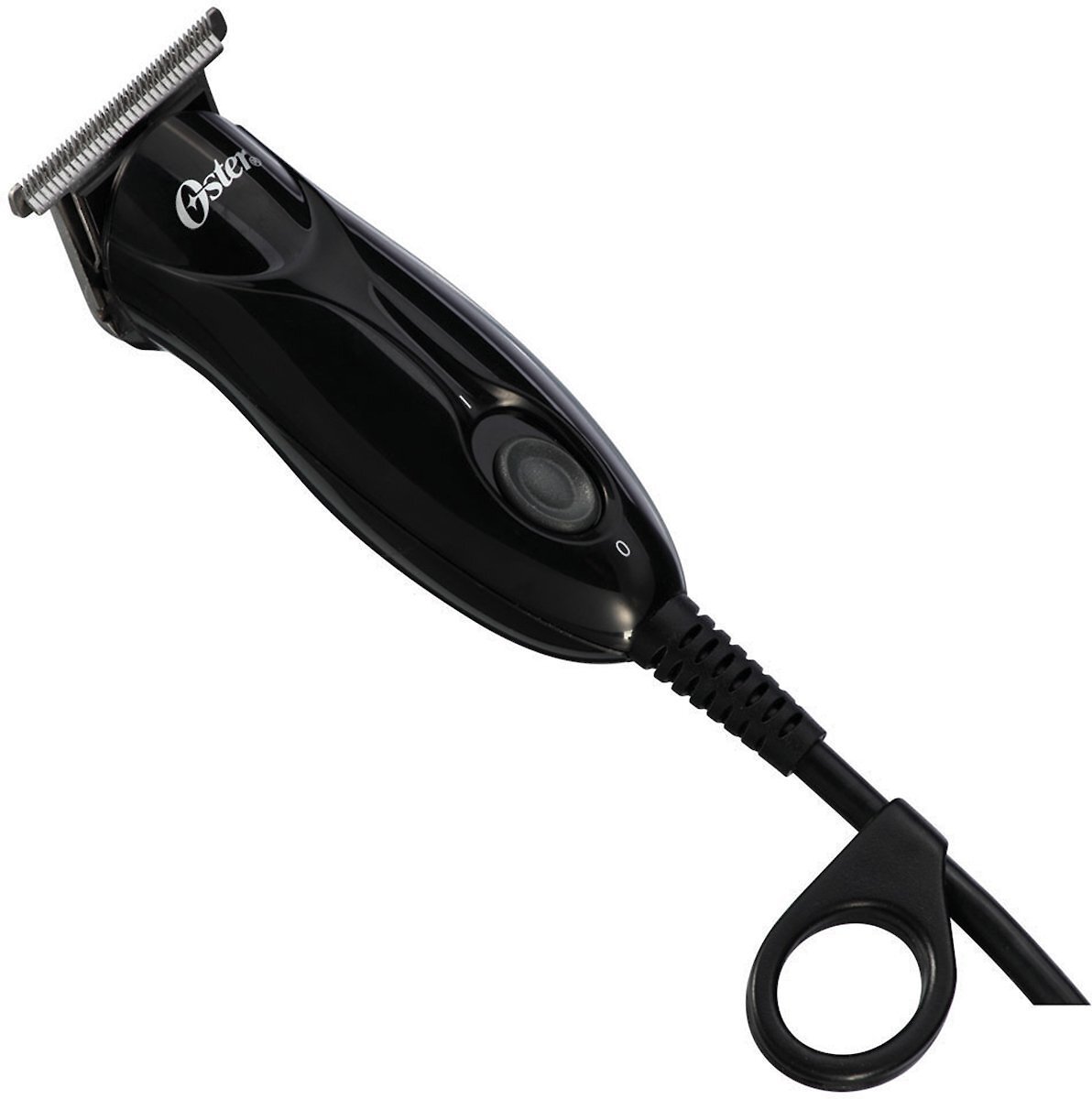
The 8 Best Dog Clippers of 2024, Tested and Reviewed

Table Of Content Dyson V8 Cordless Stick Vacuum HandsOn Pet Grooming Gloves The Ultimate iHeartDogs Holiday Gift Guide For Dog Lovers Swiffe...